How to Build a Family Memory Archive
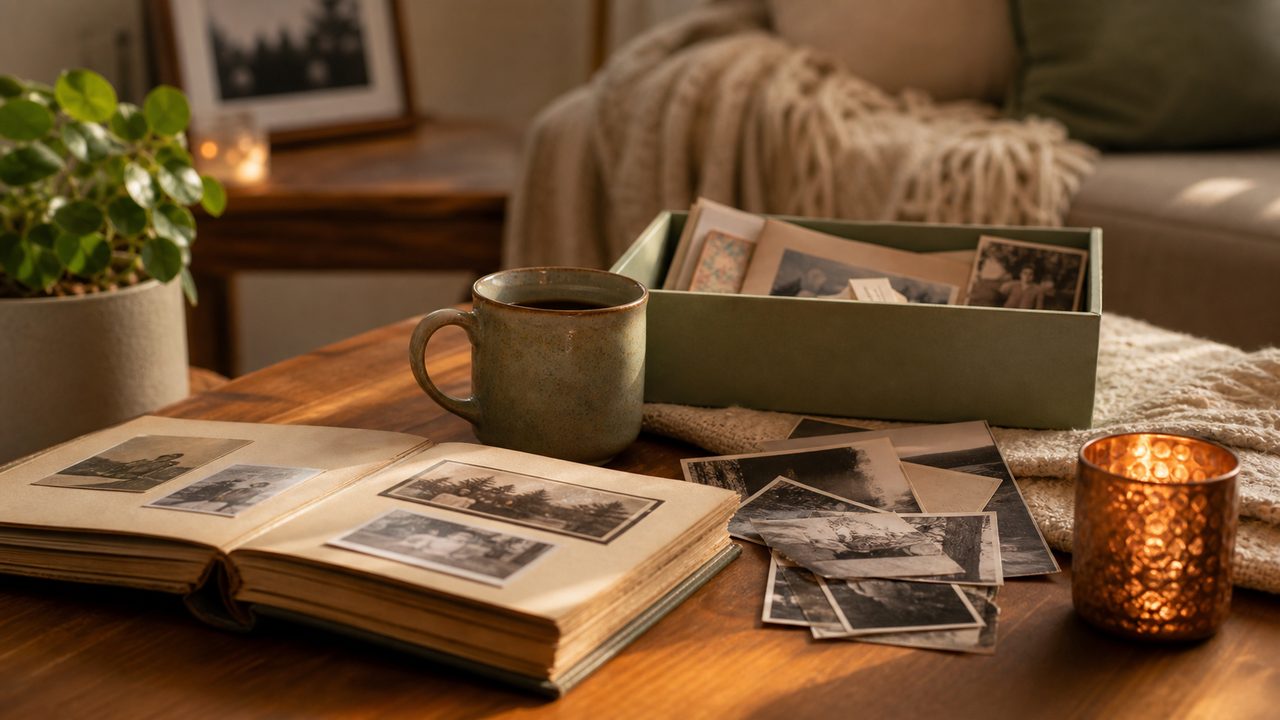
Start with categories
Create folders for videos, photos, audio, recipes, letters, legal documents, and family history notes. Keep sensitive legal and financial files separate from emotional memory files.
Simple categories are easier to maintain than elaborate systems.
Label for strangers
Assume a grandchild may open the archive one day without you there to explain it. Use names, dates, places, and short descriptions.
A file named IMG_4821 is fragile. A file named Grandma Leila telling the bakery story - 2024 is durable.
Choose a steward
A family archive needs someone who knows it exists and cares enough to preserve it. That person may not be the same as your legal executor.
Tell the steward what matters most and how private each part should remain.
Quick checklist
- Use simple folders.
- Label with names and dates.
- Separate private records.
- Choose a family steward.
Important: MyFinalMessage is for personal legacy messages and secure memory planning. It is not a substitute for legal, medical, financial, or mental health advice. Use qualified professionals and local official processes for those decisions.
Preserve Your Message With Care
Record a private video, choose recipients, and keep your legacy message protected until the right time.
Create Free Account →