How to Record a Final Message Without Sounding Scripted
Start with a person, not a theme
A scripted message often becomes stiff because it tries to address everyone at once. Choose one recipient first. Say their name out loud before you begin. That small act changes the recording from a performance into a conversation.
If you want to record for several people, make several short videos. A message for a son can include details that would not belong in a message for a friend. Specificity is what makes the recording feel alive.
Use notes instead of a script
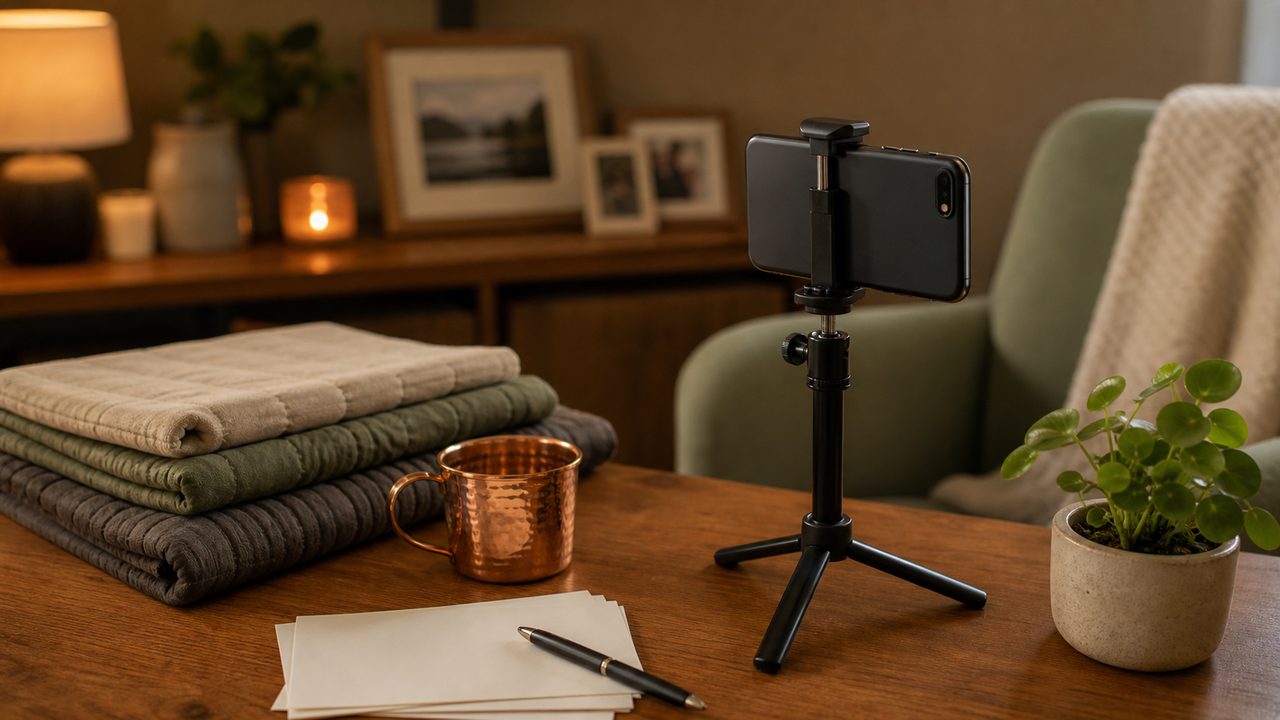
Write three bullets on paper: a memory, something you admire, and something you hope they remember. Keep the page beside the camera, but do not read full sentences from it.
If you stumble, pause and continue. A small hesitation usually feels more human than a perfect take. The goal is not broadcast quality; the goal is recognizably you.
Give yourself a clean ending
Many people keep recording because they do not know how to stop. Prepare one final line before you start. For example: I love you, I am proud of you, and I hope this gives you comfort when you need it.
Once you say the closing line, stop the recording. You can always make another message later.
Quick checklist
- Record a one-minute test first.
- Look at the camera for the opening and closing.
- Do not apologize for being emotional.
- Save separate messages for separate people.
Important: MyFinalMessage is for personal legacy messages and secure memory planning. It is not a substitute for legal, medical, financial, or mental health advice. Use qualified professionals and local official processes for those decisions.
Preserve Your Message With Care
Record a private video, choose recipients, and keep your legacy message protected until the right time.
Create Free Account →